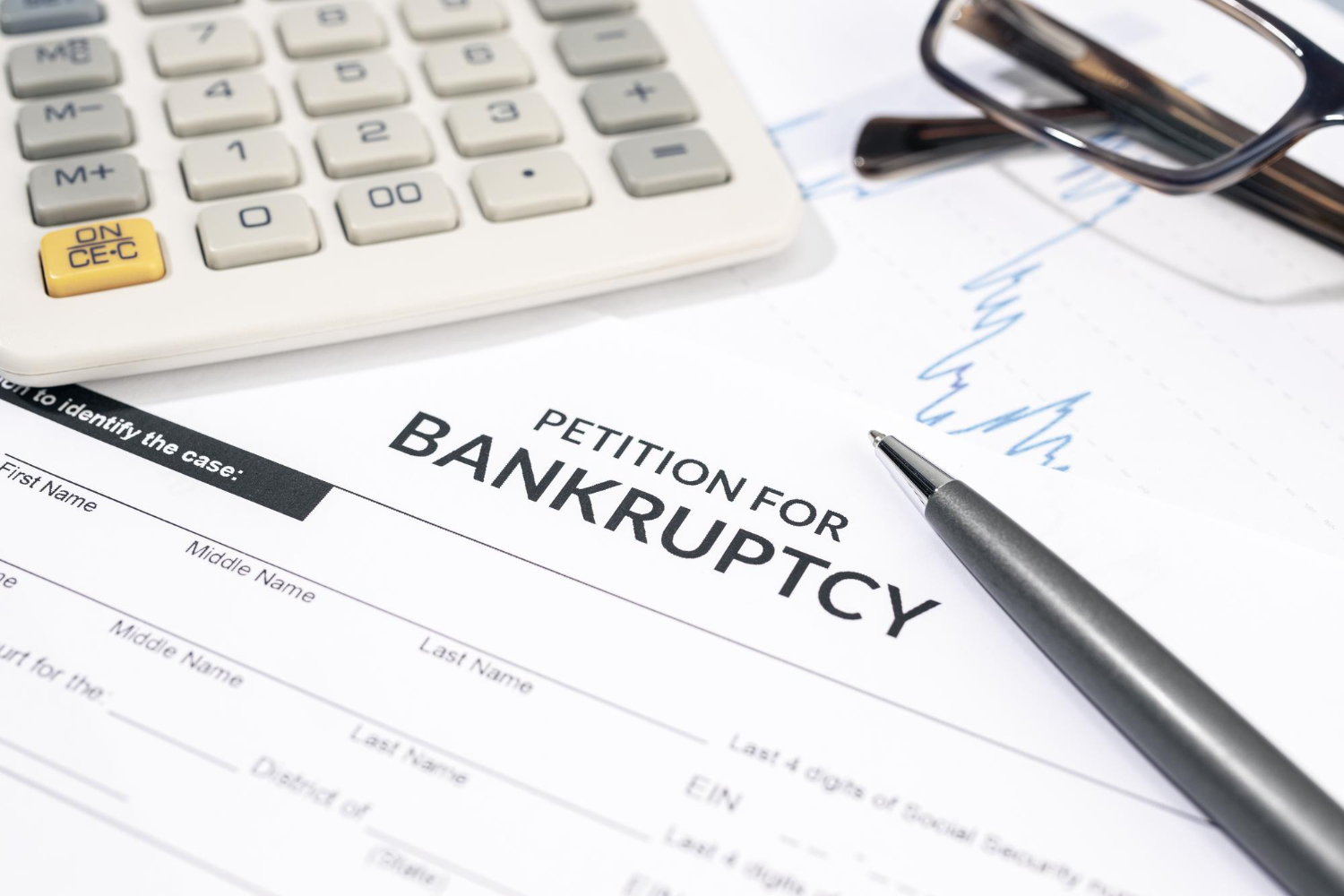



Missing car payments can put your transportation at risk fast. In Las Vegas, a vehicle may be what gets you to work, takes children to school, helps you run errands, and keeps daily life moving. If you are behind on your loan, Chapter 13 bankruptcy may offer a way to stop repossession Las Vegas drivers fear while giving you time to address past-due payments.
At Half Price Lawyers, we know fall can put extra pressure on a household budget. Back-to-school costs, holiday plans, and year-end bills can make an already difficult car payment problem feel impossible. Chapter 13 is not a quick fix or a way to erase every vehicle obligation, but it may give qualifying people with regular income a structured path forward.
Protect Your Vehicle Before Financial Pressure Grows
A missed payment can turn into several missed payments sooner than expected. Once a lender sends default notices or starts warning about repossession, it is wise to understand your legal options promptly. Waiting until a lender is actively trying to take the vehicle can make a stressful situation even harder.
Chapter 13 may help people who have reliable income but need time to catch up. When a bankruptcy case is filed, the automatic stay generally begins right away. This federal protection generally requires creditors to pause collection efforts, including many repossession actions, unless the bankruptcy court allows them to continue.
Still, filing does not mean you can stop paying for the vehicle forever. A Chapter 13 case involves proposing a repayment plan for court approval. The plan may address overdue payments over time while you continue meeting the obligations that apply after filing.
The Automatic Stay Can Pause Repossession Efforts
The automatic stay can be one of the most immediate protections available in a Chapter 13 case. Once the case is filed, an auto lender generally cannot keep pursuing repossession, demand payment through collection calls, or take other collection actions without permission from the bankruptcy court.
Timing matters a great deal. Filing before the lender takes possession of your car may provide the strongest opportunity to stop repossession Las Vegas residents are facing. After a vehicle has already been repossessed, getting it back can be more complicated. The outcome may depend on how quickly action is taken, what the lender has done with the vehicle, whether registration and insurance are current, and whether a proposed plan is workable.
The automatic stay is not permanent or absolute. A lender may ask the court to lift the stay if there is a reason to do so. We often review concerns such as:
- Whether current vehicle payments are being made
- Whether the vehicle has proper insurance coverage
- Whether the car is needed for work, family, or other daily needs
- Whether the lender’s interest in the vehicle is protected
Chapter 13 Can Spread Out Past-Due Payments
One reason Chapter 13 can be helpful is that it may allow overdue vehicle payments to be spread across a repayment plan. These plans commonly run from three to five years. Instead of needing to pay the full past-due amount at once, eligible arrears may be included in a monthly plan payment.
Past-due payments and future payments are not always handled the same way. In many cases, you must keep making your regular monthly car payment after filing while the Chapter 13 plan deals with the missed payments. Depending on the facts of the case and local procedures, payments may go directly to the lender or through the plan.
A plan has to fit your real budget. We look at income, regular household costs, vehicle loan documents, and other debts to help determine whether a proposed payment plan may be realistic. If a payment plan is set too high, it can become difficult to maintain and may put the vehicle at risk again.
Your Vehicle Loan Terms Can Change the Options
Not every vehicle loan is treated the same way in Chapter 13. Your options may depend on when you bought the vehicle, the loan balance, the vehicle’s value, and the terms of the financing agreement. Some people may need to repay the full amount owed, while others may have different options for how the loan is handled through the repayment plan.
Insurance is another important part of keeping a financed vehicle. Lenders commonly require comprehensive and collision coverage while a loan remains open. If insurance lapses, the lender may argue that its interest in the vehicle is no longer protected and ask the court for permission to resume repossession efforts.
Before committing to a Chapter 13 plan, we encourage a careful review of whether keeping the vehicle makes sense for your household. Questions worth discussing include:
- Can your budget support the current payment and plan payment?
- Is the vehicle reliable enough to keep over the coming years?
- Are insurance, registration, and loan paperwork current?
- Would another legal option better match your circumstances?
Chapter 13 is designed to help eligible consumers reorganize debt. It does not guarantee that every car can be kept, especially if the payment is beyond what a household can reasonably afford.
Timing Matters When Repossession Is a Risk
If you have received a default notice, demand for payment, or warning that repossession may happen, acting early gives us more time to review the situation. A lender does not always give much notice before attempting to take a vehicle. By the time a tow truck is involved, the available choices may be narrower.
Fall is a good time to take a hard look at household finances before holiday spending and year-end expenses arrive. Work schedules can also change during this part of the calendar year. Addressing vehicle arrears early may help protect transportation during a season when families have many demands on their time and budget.
For a useful legal review, bring complete information about the vehicle and your finances. Helpful documents often include the loan agreement, recent payment records, repossession notices, proof of insurance, pay stubs, bank statements, and a list of regular household expenses.
Take Steps to Protect Your Transportation
Chapter 13 may provide a path to pause repossession, address missed payments over time, and keep a vehicle when the repayment plan is affordable and the required obligations are maintained. Each situation depends on the loan, the vehicle, your income, and the details of the proposed plan.
The sooner you understand the options available, the better prepared you may be to respond before a lender takes action. Keeping records current, maintaining insurance, and reviewing the full budget can help you make an informed choice about whether Chapter 13 may be appropriate.
Get Clear Guidance Before Your Vehicle Is Taken
Half Price Lawyers can explain how Chapter 13 may help you stop repossession in Las Vegas and what filing may involve. Our team can review the circumstances surrounding your vehicle loan and answer questions about the process. Contact us to discuss your situation with our team.