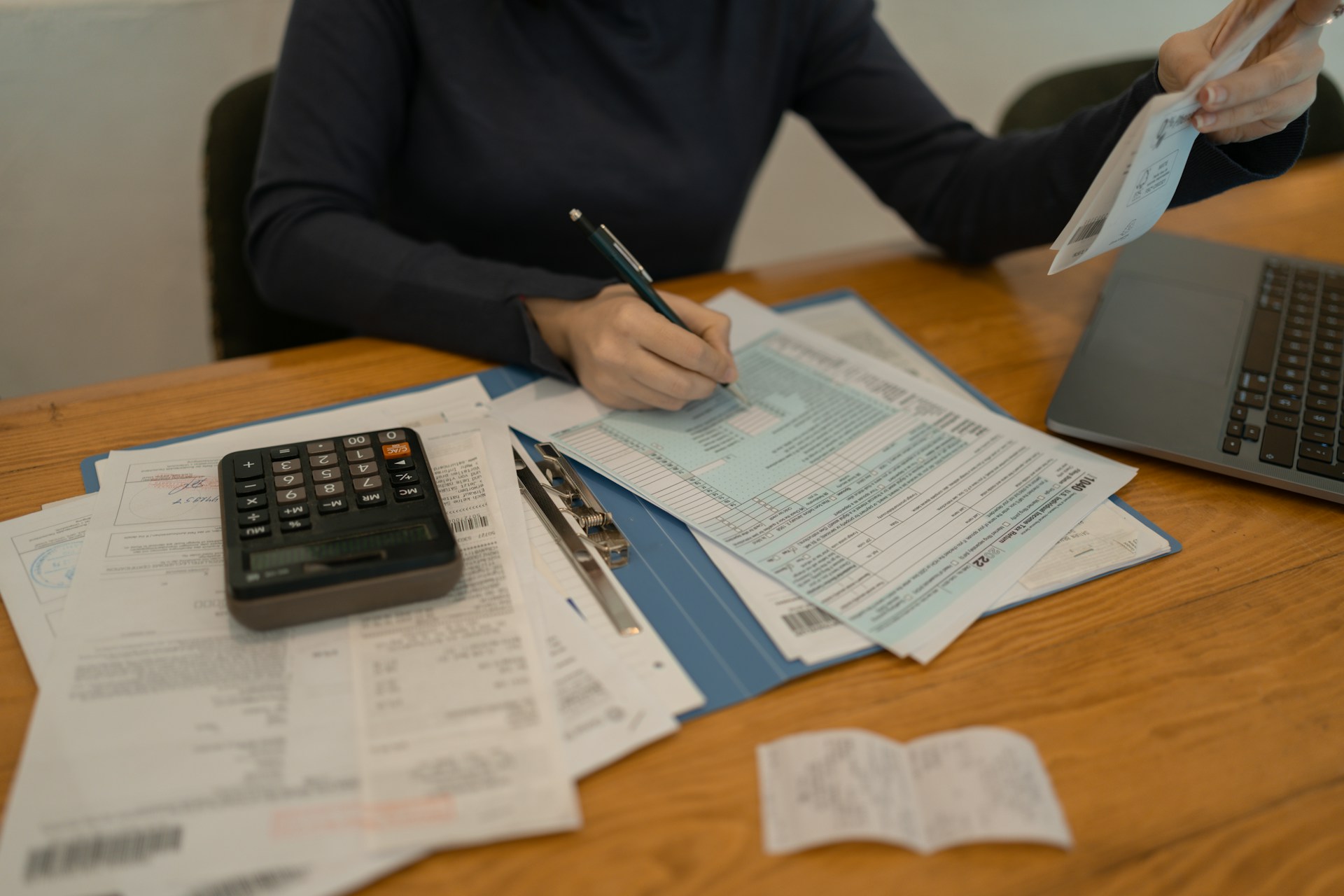



When the Letters About Your House Start Arriving
Most people know the exact month it started. A reduced paycheck, a medical bill, a job that ended without warning, and suddenly the mortgage is the one payment that will not fit. You catch up a little, fall behind again, and then an envelope arrives that does not look like the others. After that, opening the mail becomes something you put off.
If you are somewhere in that stretch right now, the most useful thing to know is that foreclosure is a process, not a single event, and there are several points along the way where it can be stopped. Nevada law and federal bankruptcy law both give homeowners real options. Which one fits depends on how far along the process is, why you fell behind, and whether your income has recovered.
Foreclosure in Nevada Happens in Stages
Foreclosure does not happen the moment you miss a payment, and it does not happen overnight. It moves through a sequence of steps, each one triggered by written notice and each one leaving a window in which action is still possible.
Broadly, the path runs like this:
- You fall behind, and the lender begins contacting you about the missed payments
- The lender records a formal notice of default and you are served with it
- A period follows in which you have the right to bring the loan current
- If the default is not cured, a notice of sale issues and a trustee sale date is set
- The property is sold at that sale unless something intervenes first
The exact timing of each stage is set by Nevada statute and depends on your loan and your circumstances, so ask a lawyer to map your own dates rather than relying on a general timeline. What matters most is this: every one of those stages is an opportunity, and the earlier you act, the more of them are still available to you.
Ways to Stop Foreclosure Before the Sale
You have more than one route, and they are not mutually exclusive:
- Reinstate the loan: paying the past-due amount plus allowable fees within the window the law provides returns the loan to good standing
- Apply for a loan modification: lenders may agree to change the terms, add missed payments to the balance, or extend the term to make the payment workable
- Request forbearance or a repayment plan: a temporary reduction or pause, generally suited to a setback you expect to recover from
- Pursue mediation: Nevada has offered a foreclosure mediation process for owner-occupied homes, and eligibility and deadlines matter, so ask promptly whether it applies to you
- Sell or arrange a short sale: not the outcome anyone wants, but it protects your credit better than a completed foreclosure
- File for bankruptcy: this stops a scheduled sale immediately and, in the case of Chapter 13, creates a structured way to catch up
Lenders are often more willing to work something out than people expect, because a foreclosure is expensive and slow for them as well. What sinks most homeowners is not refusal from the lender. It is waiting until the options with the longest lead times have already expired.
How Bankruptcy Stops a Foreclosure Sale
Filing bankruptcy puts an automatic stay into effect the moment your case is filed. The automatic stay is a court order halting most collection activity at once, and that includes a scheduled foreclosure sale. Even a sale set for the following morning is generally stopped by a filing made today.
What happens next depends on which chapter you file:
- Chapter 13 lets you cure the arrears over the life of a repayment plan while you resume regular monthly payments, which is why it is the more common choice for someone trying to keep a home
- Chapter 7 stops the sale as well and can discharge other debts, freeing income for the mortgage, though on its own it does not provide a mechanism for catching up the arrears
The stay is powerful, but it is not permanent or unconditional. A lender can ask the court to lift it, and a bankruptcy filed without a workable plan behind it may only postpone matters. Bankruptcy is also not the right answer for every homeowner. It depends on your income, your equity, your other debts, and whether the payment is realistically affordable going forward. A free consultation is the fastest way to find out whether it fits your situation.
What About Repossession?
The same pressure that puts a house at risk usually threatens the car as well, and in Nevada a lender can often repossess a vehicle without going to court first. That makes the timeline considerably shorter than a foreclosure.
The automatic stay reaches a vehicle too. Filing stops a repossession that has not yet happened, and a Chapter 13 plan can fold the past-due car payments into the same structure as the mortgage. If both are in jeopardy, it is worth raising both in the same conversation rather than treating them as separate problems.
What to Do This Week If You Are Behind
A few steps worth taking before anything else:
- Open the mail, including the envelopes you have been avoiding, because the notices establish where you are in the process
- Write down every date printed on those notices, particularly any sale date
- Do not abandon the property, since leaving early forfeits rights you still hold
- Be cautious with anyone promising to save your home for an upfront fee, as foreclosure rescue scams follow default filings closely
- Talk to a lawyer before the sale date rather than after, because options narrow sharply once a sale is completed
None of this reflects a personal failing. Homes are lost after layoffs, medical events, divorces, and businesses that did not survive conditions no one chose. What determines the outcome is usually not how the trouble started, but how early someone gets accurate information about their options.
Frequently Asked Questions
Can bankruptcy stop a foreclosure sale that is already scheduled?
In most cases, yes. The automatic stay takes effect the moment your case is filed and generally halts a scheduled sale, even one set for the next day. What happens afterward depends on the chapter you file and on whether you can maintain payments going forward.
How late is too late to stop foreclosure in Nevada?
Options exist at nearly every stage before a completed sale, but they narrow as the process advances, and some carry deadlines that pass quietly. Once a sale is finalized, the remedies are far more limited. Timing is the single biggest factor within your control.
Will I lose my home if I file for bankruptcy?
Not necessarily, and for many people bankruptcy is the tool that keeps the home. Chapter 13 in particular is designed to let you cure past-due mortgage payments over time. Whether it works for you depends on your income, your equity, and the payment you can sustain.
Can I stop a car repossession the same way?
The automatic stay applies to vehicles as well and stops a repossession that has not already occurred. A Chapter 13 plan can also address past-due car payments. Because repossession can happen quickly in Nevada, often without a court hearing first, acting early matters even more than it does with a house.
What if I have already missed the deadline in a notice I received?
Speak with a lawyer anyway rather than assuming nothing can be done. A missed deadline closes one door, not all of them, and a review of your notices will show which options remain open.
Do Not Wait for the Sale Date
Foreclosure moves on a schedule, and that schedule is the one thing working against you. Every option described above has a point past which it is no longer available, and most homeowners discover that only after the fact.
If letters about your mortgage are stacking up, a conversation now costs you nothing and may preserve choices that disappear in a few weeks.
Protect Your Home Before Your Options Run Out
If you are behind on your mortgage and the notices have started arriving, please do not wait for the sale date to find out what your options are. At Half Price Lawyers, we review your notices, your income, and your other debts, and we explain the realistic ways to stop foreclosure in Las Vegas. Reach out to us today through our contact page to schedule a free consultation. We use flat-fee pricing, so you will know the cost before you commit to anything.