


Walking into a legal consultation without knowing what to expect can feel overwhelming. Whether you’re dealing with a family issue, criminal charges, or something in between, being prepared can help make the process less stressful. Good preparation allows you to focus on your questions, listen more clearly, and interact confidently with the attorney. It also helps them understand your situation faster, which saves time and allows for better feedback.
In a city like Las Vegas, where legal matters range from property disputes to criminal courts, showing up ready can make a big difference. Having the right materials and mindset, especially in a fast-paced place like Clark County, can set the tone for a smoother, more productive experience. Below are some steps you can take to get your information in line before sitting down with a legal professional.
Gather Necessary Documents
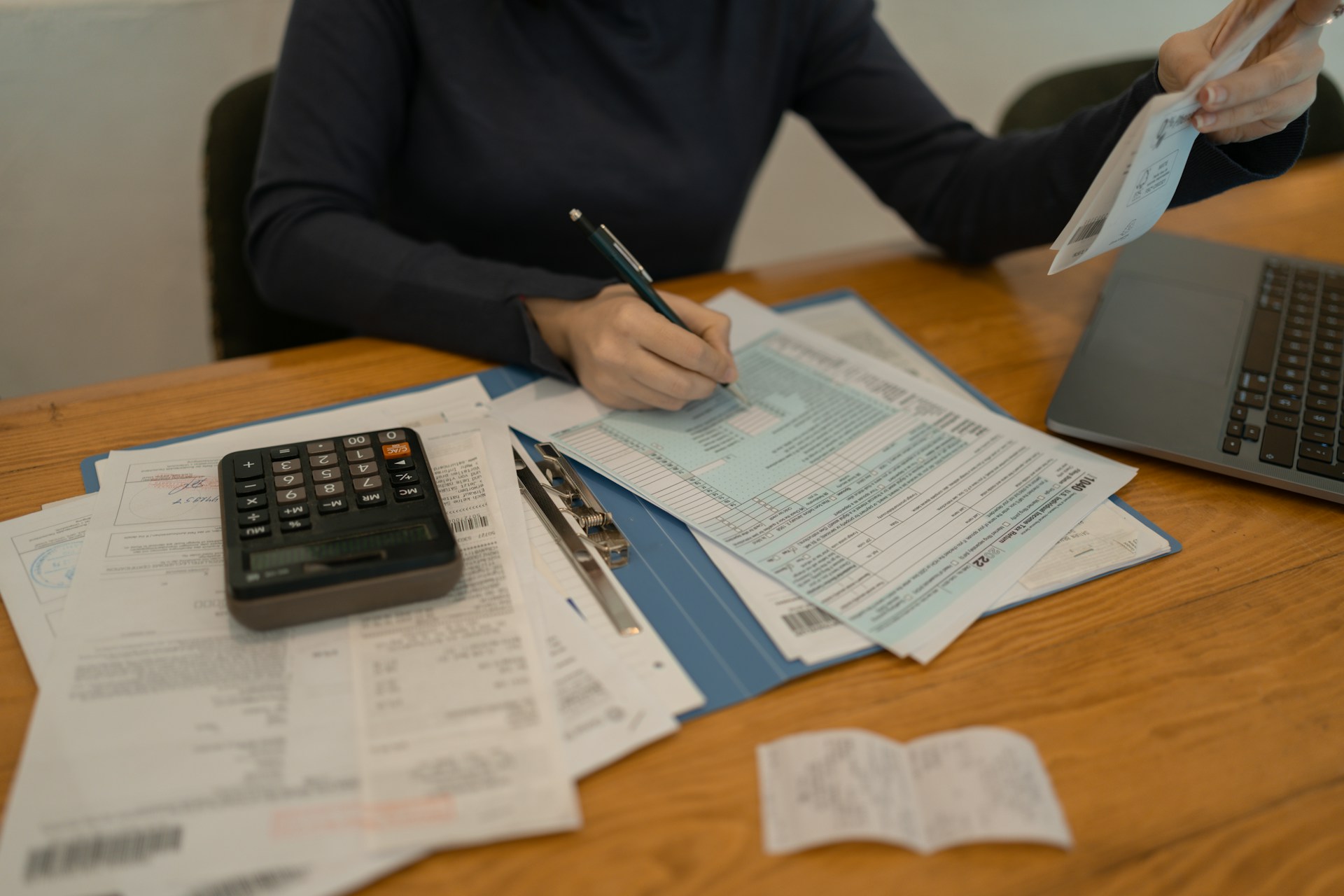
The documents you bring play a big role in how useful your consultation will be. Your attorney will need to see paperwork connected to your situation in order to give preliminary feedback and start developing a plan. The more organized and complete your information is, the more helpful and direct their input can be.
Make a checklist that includes the following:
- Government-issued ID
- Any court documents, including upcoming court dates or previous case numbers
- Financial records such as bank statements, recent pay stubs, or tax filings if money is part of the issue
- Written communication that is relevant, like emails or text messages
- Any legal notices, letters, or documentation from other parties
Sort documents by topic or date. If you’re unsure whether something is relevant, bring it along just in case. Consider placing all papers in a labeled folder, either physical or digital, so they’re easy to review. If any paperwork is missing, make a note to explain why or when you can get it. Even if you’re still waiting on something, having the rest ready can keep things moving.
For example, if you’re heading into a consultation about child custody, bring any court orders, parenting agreements, and proof of child-related expenses. These can help build an early picture of the situation and show whether prior court action has already been taken.
Outline Your Goals and Questions
Walking into a consultation with clear goals can help make the experience much more useful. Otherwise, you may forget to ask something important or waste time on minor concerns. Even a short bullet list can give your meeting structure and let the attorney guide the conversation in the right direction.
Here’s how to prepare:
- Think about what you hope to achieve. Are you trying to avoid court? Make changes to an agreement? Get help dealing with criminal charges?
- Focus on your top priorities. What do you want handled first?
- Write down questions that are on your mind. Try to be specific. For example, instead of saying, “Can they do that?” rephrase it as, “Is it legal for my ex to move our child out of state without telling me?”
Doing this helps make sure you don’t forget anything once the conversation starts moving. A consultation can move fast, so having everything spelled out keeps the meeting on track and covers the most important topics.
Sometimes emotions get in the way during these conversations, especially if the legal matter is personal. Having goals written down gives you something to fall back on when the discussion feels overwhelming or if things start to go off-course.
Be Honest About Your Situation
It’s common to feel hesitant about sharing every detail, especially if some parts are uncomfortable or embarrassing. However, being open with your attorney is key to getting good advice. Holding back can lead to misunderstandings and might hurt your case later. Attorneys hold client information confidential and need the full picture to handle your situation properly.
In Las Vegas, where cases can vary widely from gaming-related offenses to complex family matters, attorneys have experience with many types of cases. They are trained to deal with sensitive or unusual situations. When you’re honest about your circumstances, they can give you realistic options and help you avoid missteps. Imagine not telling your lawyer about a previous arrest during a custody case. If that comes up without warning, it could severely affect your case.
Talk openly about any concerns, financial issues, or past legal troubles you have. This transparency allows your legal counsel to strategize more accurately and anticipate challenges. Your honesty helps them better prepare you for what might happen later in the process.
Understand Your Attorney’s Fees and Expectations
Fees can be an awkward topic, but getting clear about them from the beginning helps avoid confusion and stress down the line. Lawyers in Las Vegas may charge hourly rates, flat fees, or require a retainer depending on the type of case. Talk about the fee structure early so you know what to expect.
Here are a few steps to follow:
- Ask about how the attorney charges and how often you’ll be billed.
- Find out if there are other costs like court filing fees or the cost of hiring expert witnesses.
- See if payment plan options are available, especially if you’re working with a tight budget.
It’s also important to discuss expectations for your case. Legal processes can be unpredictable, and outcomes are never guaranteed. Your attorney can lay out likely scenarios so you understand what may lie ahead. They’ll help you prepare mentally and financially for the road in front of you.
Final Preparations
Before the day of your consultation, take a few minutes to check off your preparation list. Doing this will help you stay focused and calm during the meeting.
Make sure to:
- Review your goals and written questions so they’re fresh in your mind.
- Double-check your organized documents.
- Get to the location a few minutes early.
- Dress respectfully. Business casual or neat everyday clothing is fine.
Being mentally ready counts as much as having your papers in order. Stay open-minded and focused, especially if tough topics come up. A good consultation is built on teamwork and clear communication. That collaboration starts the moment you walk through the door.
Getting the Most Out of Your Meeting
A legal consultation works best when both sides are clearly communicating. Let your attorney lead the way while staying involved in the conversation. Listen closely, take notes, and ask questions when something isn’t clear. That back-and-forth is what turns a simple meeting into a useful experience.
Your attorney may point out laws or procedures that are new to you. Try to stay present and engaged rather than getting overwhelmed. If anything feels too complex, ask for it to be explained in simpler terms. A good consultation will leave you with a clearer understanding of your options and what steps to take next.
Preparation builds confidence. By having your documents, questions, and mindset ready, you’re showing that you take your situation seriously. And that can set the stage for a stronger relationship with the attorney going forward. Confidence and clarity make a big difference when it comes to legal matters.
If you’re preparing for an upcoming consultation, working with experienced attorneys in Las Vegas can help you feel more confident and informed throughout the legal process. The team at Half Price Lawyers understands the local legal landscape and provides clear guidance tailored to your situation, whether you’re organizing paperwork, setting goals, or trying to understand your options before moving forward.